
Understanding what distinguishes these titles from one another requires looking beyond surface appeal. Return to Player percentages, volatility ratings and bonus structures all influence how a slot behaves over time. Whilst no game guarantees profit—slots are designed to favour the house in the long run—knowing how each mechanic operates helps you choose games that align with your budget and risk tolerance. This section examines four popular slots, explains the fundamentals that govern them, and highlights where beginners often trip up.
Games tested: slot games
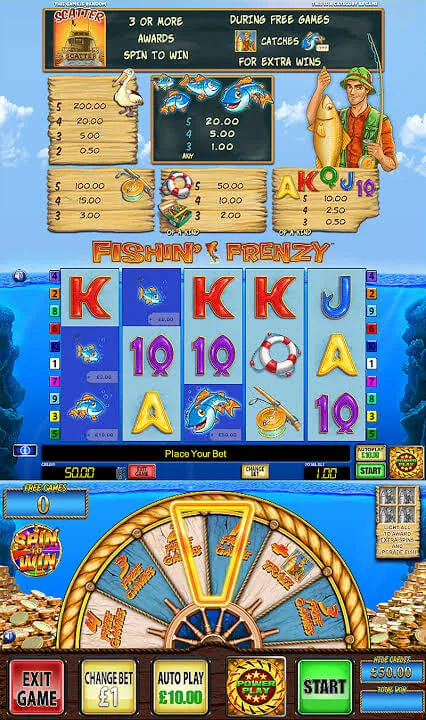
Fishin Frenzy

Big Bass Splash

Gates of Olympus

Sugar Rush 1000
- Fishin' Frenzy — A low-to-medium volatility classic with straightforward free-spins mechanic and broad appeal among casual players.
- Big Bass Splash — High-volatility sequel with multiplier collection and substantial maximum win potential for patient punters.
- Gates of Olympus — Tumbling reels and multiplier cascades deliver frequent small wins and occasional large payouts in a mythology setting.
- Sugar Rush 1000 — Cluster-pays structure and tumble feature create dynamic gameplay with a sweeter aesthetic and medium-high volatility.
Comparison table
| Game | Provider | Principle | Who It Suits |
|---|---|---|---|
| Fishin' Frenzy | Reel Time Gaming / Blueprint | Free spins with collecting wilds; low-medium volatility | Casual players seeking straightforward mechanics and extended playtime |
| Big Bass Splash | Pragmatic Play | Free spins with progressive multipliers; high volatility | Experienced punters with larger bankrolls chasing substantial maximum wins |
| Gates of Olympus | Pragmatic Play | Cluster pays with tumbles and multiplier accumulation; medium-high volatility | Players who enjoy frequent tumbles and mythology themes with balanced risk |
| Sugar Rush 1000 | Pragmatic Play | Cluster pays on 7×7 grid with persistent multipliers; medium-high volatility | Those who prefer dynamic tumble mechanics and a sweeter aesthetic |
What Defines a Modern Video Slot
At their core, slots are games of chance governed by random number generators. Every spin is independent; previous results have no bearing on what comes next. Modern video slots dress this framework in themes, animations and sound design, but the underlying mathematics remain constant. Return to Player—expressed as a percentage—indicates the theoretical long-term payout. A 96 per cent RTP means that, over millions of spins, the game returns £96 for every £100 wagered. Individual sessions will deviate wildly from this average.
Volatility describes how a slot distributes wins. Low-volatility games pay smaller amounts more frequently, smoothing the ride for conservative bankrolls. High-volatility slots deliver infrequent but larger payouts, requiring deeper pockets and patience. Medium volatility strikes a balance. Bonus features—free spins, multipliers, pick-and-click rounds—add layers of engagement and can dramatically alter session outcomes, though they do not change the house edge.
Fishin' Frenzy and Big Bass Splash: The Angling Archetype
Fishin' Frenzy, developed by Reel Time Gaming and distributed by Blueprint, popularised the fishing-themed slot genre. Its appeal lies in simplicity: land three scatter symbols to trigger ten free spins, during which fisherman wilds collect the values of any fish symbols on the reels. The base game offers modest, regular returns, whilst the bonus round holds the potential for substantial wins if fish and fishermen align. This structure suits players who prefer straightforward mechanics without complex decision trees.
Big Bass Splash, part of Pragmatic Play's prolific Bass series, iterates on the formula with higher volatility and enhanced multipliers. The free-spins round introduces progressive multipliers that increase with each fisherman appearance, and retriggers are more generous. Maximum win potential exceeds that of Fishin' Frenzy, but the trade-off is longer dry spells between bonus triggers. Both games demonstrate how theme and volatility can be adjusted whilst preserving a recognisable core mechanic.
Gates of Olympus and Sugar Rush 1000: Cluster Pays and Tumbles
Gates of Olympus dispenses with traditional paylines in favour of a cluster-pays system: land eight or more matching symbols anywhere on the six-by-five grid to win. Winning symbols vanish and new ones tumble down, potentially creating successive wins from a single paid spin. Random multipliers of up to 500x can apply to any tumble, and during free spins these multipliers accumulate rather than reset. The mythology theme and high-definition animations appeal to players who enjoy spectacle alongside mathematics.
Sugar Rush 1000 employs a similar tumble mechanic but wraps it in a confectionery aesthetic. The grid is seven-by-seven, and cluster sizes determine payouts. Multipliers appear as special symbols and persist through tumbles, building towards significant wins if cascades continue. Volatility sits in the medium-high range—less punishing than Big Bass Splash but more aggressive than Fishin' Frenzy. The cluster-pays model suits those who find fixed paylines restrictive, though it can make individual spin outcomes harder to predict at a glance.
How to Choose a Slot That Suits Your Play Style
Selecting a slot begins with honest assessment of your budget and temperament. If you have £20 and want half an hour of entertainment, high-volatility games like Big Bass Splash will likely drain your balance before the bonus round hits. Low-to-medium volatility options such as Fishin' Frenzy extend playtime by delivering smaller wins more consistently. Conversely, if you are chasing a headline win and can withstand long losing streaks, high-volatility titles offer that possibility—at the cost of frequent zero-return spins.
RTP provides a baseline for comparison, but differences of one or two percentage points matter little over short sessions. A 96 per cent RTP slot and a 94 per cent RTP slot will both lose you money on average; the former simply does so marginally more slowly over tens of thousands of spins. Bonus frequency and feature complexity are often more relevant. Gates of Olympus triggers free spins more readily than Big Bass Splash, but its maximum multiplier is capped lower. Sugar Rush 1000's tumble mechanic means every spin has multi-win potential, even outside bonus rounds. Match mechanics to whether you value sustained engagement or prefer anticipation of rare, large hits.
- Check volatility rating and adjust stake size accordingly—high volatility demands a larger buffer.
- Compare RTP figures when choosing between similar games, but do not overweight small differences.
- Consider bonus frequency: some players prefer regular feature triggers; others accept long waits for bigger payouts.
- Test mechanics in demo mode to see whether cluster pays or payline structures suit your preference.
Common Mistakes and Where to Practise Without Risk
The most frequent error is chasing losses. Slots are negative-expectation games; no betting pattern or timing strategy overcomes the house edge. Increasing stake size after losses accelerates bankroll depletion. Similarly, the gambler's fallacy—believing a slot is 'due' a payout after a cold streak—ignores the independence of each spin. A slot that has not paid in an hour is no more likely to hit on the next spin than it was on the first.
Many players also misjudge volatility, selecting high-variance games with insufficient bankroll. A slot with 97 per cent RTP and high volatility can consume £100 in minutes without a significant return, even though its long-term average is favourable. The mathematics do not care about your session length. Beginners should start with lower volatility until they understand how quickly balances fluctuate.
Reputable online casinos and game providers offer demo versions of most slots, including all four titles discussed here. Demo mode uses virtual credits and mirrors real-money mechanics exactly, allowing you to observe volatility, trigger frequencies and bonus features without financial exposure. Spend time in demos to gauge whether a game's rhythm suits you before committing funds. This practice costs nothing and prevents expensive discoveries that a slot's volatility exceeds your comfort threshold.
Responsible Play: Fixed Limits and Realistic Expectations
Slots are entertainment with a cost. Over time, the house edge ensures players lose more than they win. Brief winning sessions occur, sometimes substantially so, but they do not negate the mathematical reality. Set a loss limit before you begin and stop when you reach it, regardless of the urge to recoup. Many partner casinos provide tools to enforce deposit limits, session timers and self-exclusion periods—use them.
You must be eighteen or older to play. If you find yourself gambling with money earmarked for essentials, chasing losses, or feeling distressed about outcomes, seek support from organisations such as GamCare or BeGambleAware. Slots are designed to be engaging, and that engagement can become compulsive. Recognise the signs early and prioritise your wellbeing over any session result.
Frequently asked questions
What does RTP mean and how much does it matter?
RTP, or Return to Player, is the theoretical percentage a slot pays back over millions of spins. A 96 per cent RTP means £96 returned per £100 wagered on average. Individual sessions deviate widely, so whilst higher RTP is preferable, volatility and bonus frequency often matter more for short-term play.
Can I play these slots for free before wagering real money?
Yes. Reputable online casinos and the providers' own sites offer demo versions of Fishin' Frenzy, Big Bass Splash, Gates of Olympus and Sugar Rush 1000. Demo mode uses virtual credits and replicates real-money mechanics, allowing you to assess volatility and features without financial risk.
Why do high-volatility slots feel so different from low-volatility ones?
Volatility governs win distribution. Low-volatility slots pay smaller amounts frequently, smoothing session variance. High-volatility games deliver larger wins rarely, resulting in longer losing streaks punctuated by significant payouts. Your bankroll must accommodate the volatility you choose—high variance demands deeper pockets and patience.